Impact of ruminal impaction syndrome on ruminant livestock productivity: Evaluation of protocols for rapid diagnosis and treatment
DOI:
https://doi.org/10.51607/22331360.2026.75.2.83Keywords:
Diagnosis, impaction, productivity, ruminal, treatmentAbstract
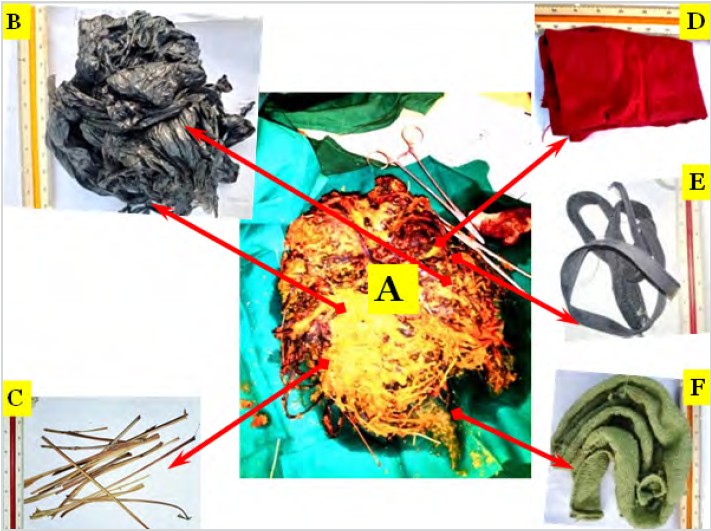
Ruminal impaction syndrome (RIS) is an emerging, severe, and potentially fatal gastrointestinal disorder affecting ruminants in urban,
semi-urban and peri-urban settlements, with increasing spread into
rural communities in developing regions. RIS arises from ingestion
of indigestible objects that accumulate in the rumen and obstruct the
flow of ingesta through the lower digestive tract; resulting in severe
impaction, indigestion, persistent tympany, protracted morbidity,
lethargy, and, in severe cases, death. Additionally, RIS results in animal
losses, reduced milk and meat production, and costly, often ineffective
treatments. Moreover, RIS exhibits a high prevalence propagated
via a vicious cycle. Definitive diagnosis and treatment often rely on
exploratory rumenotomy. Affected animals are frequently presented in
a terminal condition, limiting therapeutic options. Surgical outcomes
are often poor and are commonly associated with postoperative
complications. Furthermore, microplastics, nanoplastics, xenobiotic
chemicals and heavy metals leach into ruminal fluid, bioaccumulate
in tissues and enter food chain through milk and meat products to
exert detrimental toxic effects in animals and humans. Despite its
high incidence and severe strain on economy and animal health, there
are no established government regulations or standardized guidelines
governing the diagnosis and treatment of RIS, making it a major yet
neglected disorder that is often managed empirically by veterinarians.
Integrating rumenoscopy alongside nanotechnology, diagnostic
markers and modified abdominal ballottement technique can advance
accurate diagnosis, while therapeutic laparoscopy may facilitate
prompt treatment. This review evaluates the profound impact of RIS on
the health and productivity of ruminant livestock. Ultimately, it aims to
establish effective diagnostic pathways and therapeutic protocols that
can be adopted by veterinarians and policymakers to restore livestock
health, improve animal welfare, and ensure sustainable productivity of
ruminant livestock systems.
References
Downloads
Published
Issue
Section
License
Copyright (c) 2026 Paul Bokko; Aliyu Haruna, Dauda Laku, Ali Abba Mutah (Author)

This work is licensed under a Creative Commons Attribution 4.0 International License.