Cardiomyopathies in veterinary medicine: A comprehensive review across canine, feline, and equine species
DOI:
https://doi.org/10.51607/22331360.2026.75.1.13Keywords:
Cats, dogs, horses, echocardiography, ventricular dysfunctionAbstract
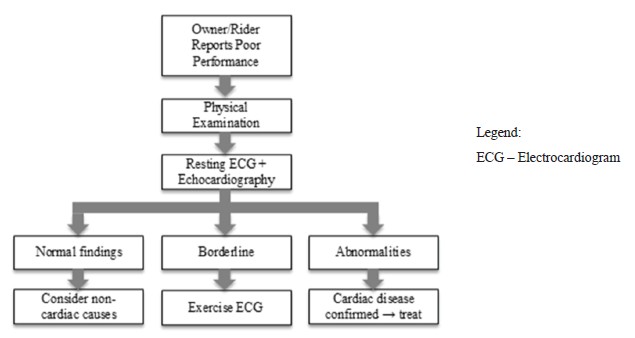
Cardiomyopathies constitute a major cause of morbidity, mortality, and performance limitation across veterinary species. Although the overarching concept of myocardial disease spans veterinary and human medicine, its phenotype, clinical consequences, diagnostic pathways, and therapeutic strategies differ substantially between dogs, cats, and horses. Dilated cardiomyopathy (DCM) and arrhythmogenic cardiomyopathy (ACM/ARVC) dominate in predisposed dog breeds and reflect a combination of heritable, nutritional, and metabolic influences. Feline cardiomyopathy is overwhelmingly defined by hypertrophic cardiomyopathy (HCM), a disease shaped by diastolic dysfunction, left atrial enlargement, and risk of arterial thromboembolism (ATE). Restrictive cardiomyopathy (RCM), though less common, carries a particularly poor prognosis due to its severe impairment of diastolic filling. In horses, clinically significant cardiomyopathies are predominantly acquired, often arising from myocarditis, systemic disease, or maladaptive athletic remodeling associated with high-performance training. Performance decline, exercise-induced arrhythmias, or poor recovery rather than overt heart failure often herald equine myocardial disease. Diagnosis across species is anchored in echocardiography, supported by electrocardiography, Holter monitoring, and cardiac biomarkers such as troponin and NT-proBNP. Therapeutic approaches range from evidence-based interventions—such as pimobendan in preclinical canine DCM and clopidogrel for feline ATE prophylaxis—to largely empirical management of equine myocarditis and arrhythmia. Early identification of high-risk patients, understanding species-specific disease trajectories, and recognizing which interventions meaningfully alter prognosis are central to improving long-term outcomes. This review synthesizes current knowledge regarding the biology, clinical expression, diagnostic evaluation, and evidence-supported treatment of cardiomyopathies in dogs, cats, and horses. Emphasis is placed on practical clinical decision-making, early recognition, and integration of species-specific considerations important for general practitioners, cardiologists, and equine performance clinicians.
References
Downloads
Published
Issue
Section
License
Copyright (c) 2026 Jasmin Čaluk, Ermin Šaljić, Selma Čaluk, Aida Bešić, Belkisa Izić, Muhamed Katica

This work is licensed under a Creative Commons Attribution 4.0 International License.